
Why Wedding Films Should Age Like Fine Art, Not Trends
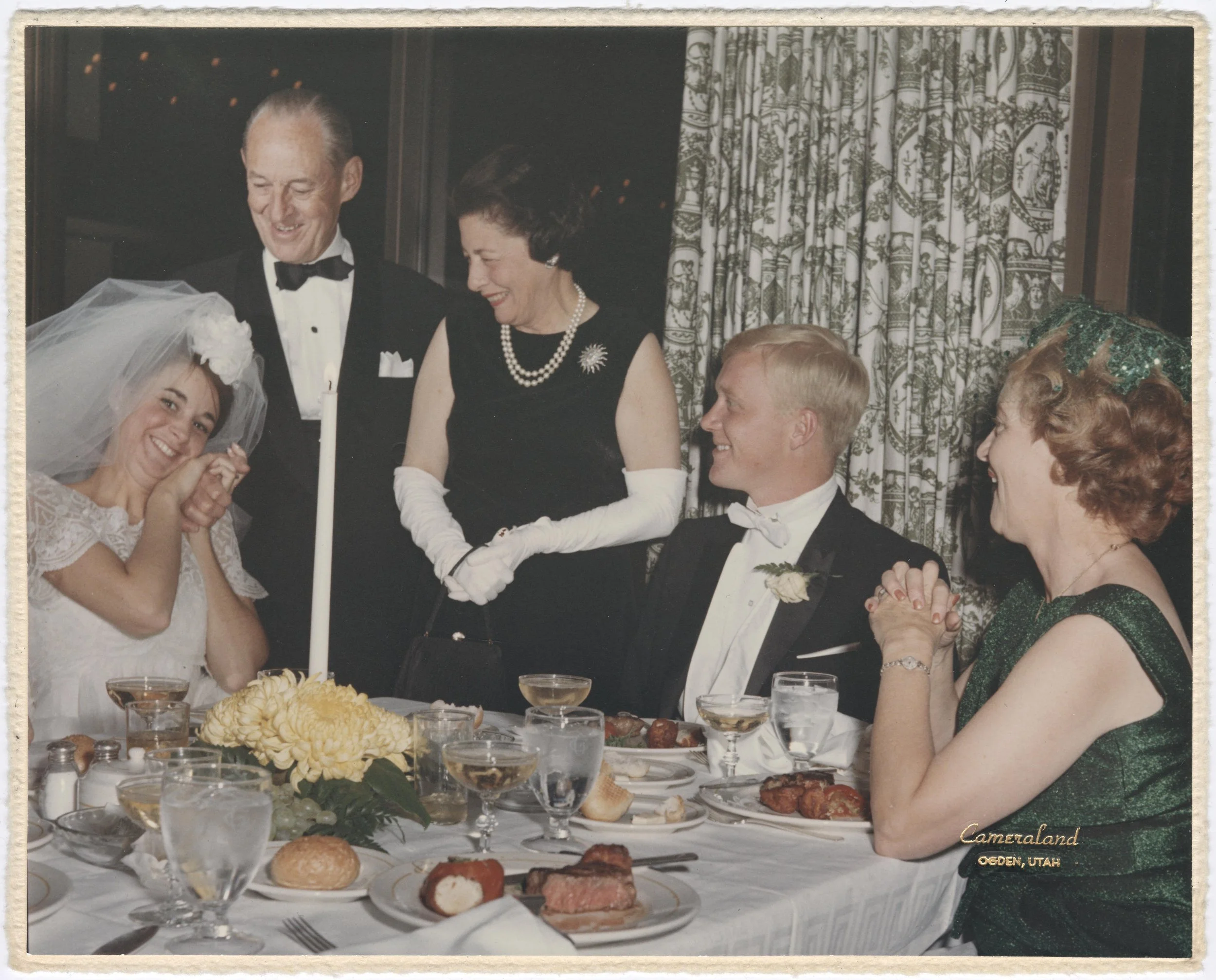
There's a wedding film from 2012 sitting in someone's inbox right now that they can't bring themselves to watch. Not because the love isn't real — but because the editing style screams a decade they'd rather forget. The slow-motion rose petals. The sepia-toned vows. The transition effects that felt cutting-edge then but look dated now. And that's the heartbreak of choosing trends over truth: their story deserves better than a time capsule.
The truth is, most Utah couples planning weddings don't realize their film has an expiration date until it's too late. In a world full of viral TikTok transitions, Instagram-ready color grades, and whatever effect is trending this month, real connection gets buried under layers of digital noise. And here's the brutal statistic that proves it: 75-98% of couples who skip hiring a professional videographer regret it within one year. But even couples who invest in videography face a different kind of regret — when trendy effects make their film unwatchable a decade later. When authenticity disappears, so does the desire to ever press play again.
Here's what nobody tells you when you're comparing wedding videographers: people don't fall in love with effects — they fall in love with feeling. They fall in love with hearing their grandmother's voice during the toast she gave three months before she passed. With seeing their dad cry when they walked down the aisle at Sundance Resort. With the unfiltered laughter that erupted when the flower girl went rogue at Red Butte Garden. When Utah wedding videography is built on honest storytelling instead of trendy filters, it hits different 20 years later. Because people can feel the difference between a film made to get likes and a film made to last.
So if you're trying to invest in wedding videography that ages like fine art instead of milk, here's what 15 years of industry trends, expert cinematographers, and actual viewing data have taught us:
1. Professional audio is the difference between watching and avoiding your film.
The number one reason couples rewatch their wedding films? Hearing vows and toasts again. The number one reason couples avoid watching? Poor audio quality. This isn't about being picky — it's about whether your film is even watchable. One couple described the regret this way: "We never heard our parents' toasts again because we only had muffled, echoey phone audio." Professional Utah videographers use multiple wireless mics, soundboard feeds, and backup recorders because they know the brutal truth: ten years from now, you won't remember what your vows said. You'll desperately want to hear them.
2. Trendy color grading ages worse than gas station sushi.
Remember when every wedding photo looked sepia-toned? When teal and orange color grading made everything look like a Michael Bay movie? The 2024 "Sepia Bride" controversy proved what professionals already knew: heavy filters are shortcuts that destroy the actual memory. Couples are now specifically requesting their real wedding colors back — the actual blue sky over Little Cottonwood Canyon, the true colors of their flowers, none of that muddy Instagram aesthetic that screams 2016. Natural color grading that preserves how Park City actually looked at golden hour? That's what still looks stunning in 2045.
3. Slow motion overuse makes your film feel like watching paint dry.
Slow motion is beautiful. Slow motion on everything is boring. The industry learned this the hard way between 2014-2016 when every kiss, every laugh, every cake cutting got the 120fps treatment. Now? Expert videographers use it sparingly — for specific emotional beats, not as a crutch to make mediocre footage look "cinematic." Your wedding day moved at real speed. Your film should capture that energy, not drain it away frame by frame.
4. Documentary authenticity beats manufactured "moments" every single time.
The couples who watch their films 20 years later? They're not rewatching the staged walking-through-a-field shots. They're rewatching the moment their partner's voice cracked during vows. The spontaneous dance floor chaos. Their mother's genuine reaction during first look. The best Utah wedding videographers blend documentary observation with cinematic artistry — they're not directing a movie, they're capturing the one already happening. Ray Roman, one of the world's top wedding cinematographers, puts it perfectly: "I can't invent compelling moments. I want to film the wedding in a way to make it look its best, not create something that wasn't there."
5. Instagram and TikTok trends are designed to go viral, not last decades.
Vertical video. 60-second reels. Boomerangs. Trending audio. Content creators focusing on "quick, trendy clips" for algorithms. Here's the problem: these formats are tied to specific platforms that might not exist in 10 years. Same-day delivery of edited content prioritizes speed over the weeks of thoughtful editing, color correction, and sound design that create actual heirlooms. Professional wedding films take time because they're not competing with TikTok — they're competing with your memory.
6. The "stranger test" separates timeless films from wedding industry formulas.
Emmy Award-winning filmmaking collective Stillmotion revolutionized the industry with one brutal question: "Would a stranger watch this?" If your film only works because family members feel obligated to care, it's not actually good. They proved you could make wedding films interesting enough to show the mailman — by focusing on universal human emotion, compelling narrative structure, and genuine storytelling instead of wedding clichés. When visual storytelling in Utah weddings reaches that level, couples watch it for decades.
7. Utah's landscape isn't backdrop — it's a character in your story.
There's something about getting married against the Wasatch Mountains that already gives your film weight. Or standing in Moab's red rock desert as the sun sets. Or saying vows in an aspen grove at peak fall color. The best Utah videographers know these locations intimately — the lighting at Empire Canyon Lodge, the way golden hour hits Zion's red rocks, how the mountains hold space around you at Sundance. They integrate the landscape as an essential storytelling element, not just pretty B-roll. Because 30 years from now, you won't just remember your vows — you'll remember the place that held them.
8. Hearing loved ones' voices becomes priceless after they're gone.
The psychological research on this is clear: nostalgic memories centered on relationships increase happiness, strengthen social bonds, and deepen romantic commitment. But here's what the research can't capture — the way your chest tightens when you hear your grandfather's toast again, five years after he passed. Wedding films aren't just about preserving the day. They're about preserving the people who made it matter. Professional audio capture isn't a luxury. It's a time machine.
The Utah Difference
There's something about Utah's wedding industry — maybe the mix of dramatic geography, tight-knit creative community, and couples investing in destination weddings — that's created a rejection of trend-chasing. Ryan Hinman Films states it explicitly: "I've always gravitated towards classic approaches — clean, natural, timeless. I want you to look back on your wedding film in years to come and have it feel as emotionally engaging as when I filmed it." Branson Maxwell: "I steer clear of trendy filters that fade with time." This isn't accident. It's philosophy.
The Emotional Truth
At the end of the day, your wedding film becomes more precious with time, not less. The value doesn't peak on your wedding day — it grows when you show your children, when you remember vows you'd forgotten, when loved ones are gone and their voices remain. Trends come and go. Instagram filters fade. TikTok moves on. But the way you felt when you married your person? That's forever. Your film should protect that feeling, not bury it under effects that scream 2025. And honestly? That's where the real storytelling starts.
Let's Create Something That Lasts
If you're ready to invest in Utah wedding videography that your grandchildren will treasure, we'd love to help you tell that story. Let's build something timeless together.